
From America to Ethiopia, there is no question that people all over the world revere and honor their mothers for their contributions to the family. However, it may be surprising to learn that Mother’s Day as we know it in America is one of the countless ways that mothers are honored across the globe.
For example, people in India surprisingly choose to honor their mothers with a mix of traditional and Western twists. Like Americans, they celebrate Mother’s Day officially on the Second Sunday of May and honor their mothers by giving cards, presents, and flowers to them (Rayman, n.d.).
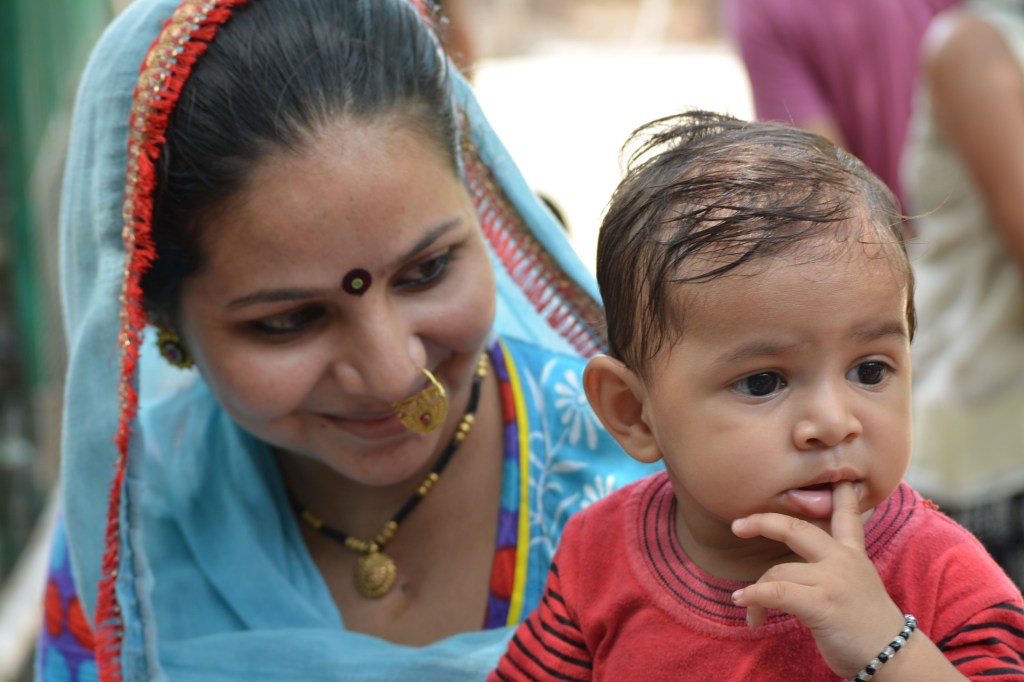
A young boy is unaware of the great love that his mother has for him.
However, many people from India do not spend one day celebrating mothers like America. Instead, they follow an old tradition which honors mothers. Hindus spend 10 days celebrating a certain mother, a deity of mothers named Durga, via a 10-day festival called Durga Puja, which occurs in October. Throughout this event, families spend time together celebrating the goddess’s arrival to India and the blessings that she brings with her. They do this by watching dances, processions, and listening to music. The celebration concludes when Durga’s statues are put into local rivers, symbolizing her departure from India and her journey back home in the Himalayan mountains.
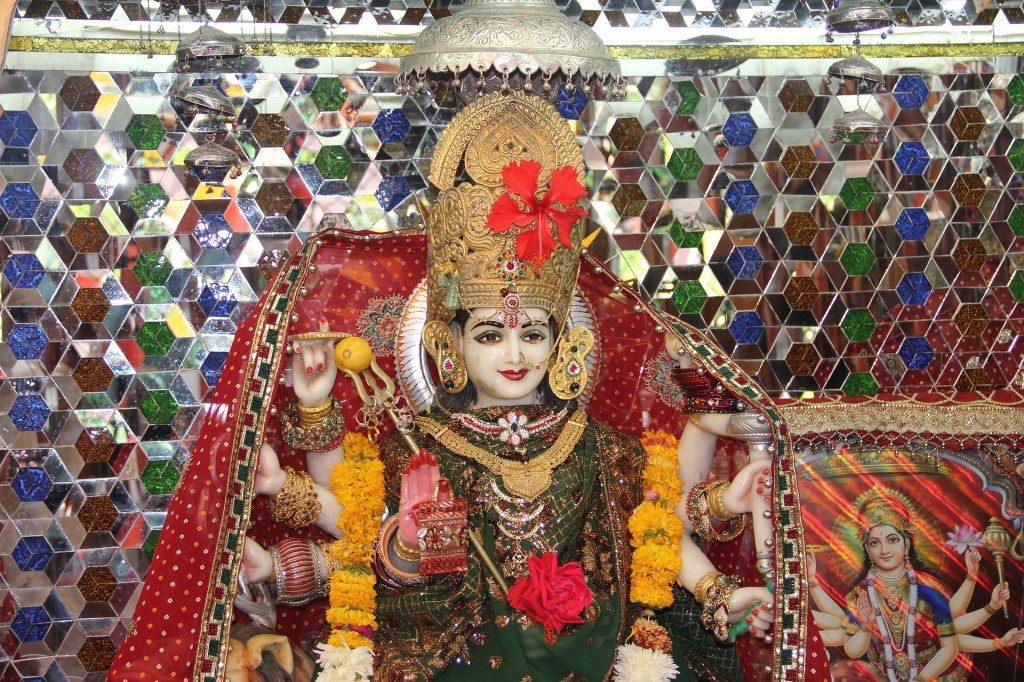
Hindus believe that Durga was created by the Hindu god Brahma to defeat a buffalo-shaped demon named Mahisasura, and once she was created, she was given some of the other gods’ strong weapons that can go against Mahisasura. When she faced him, she succeeded in defeating him.
Ethiopians celebrate Anthrosht during the fall each year. During Anthrosht, families eat a homemade feast made by the family’s children. They also enjoy dancing, caroling and narrating tales about their ancestors.
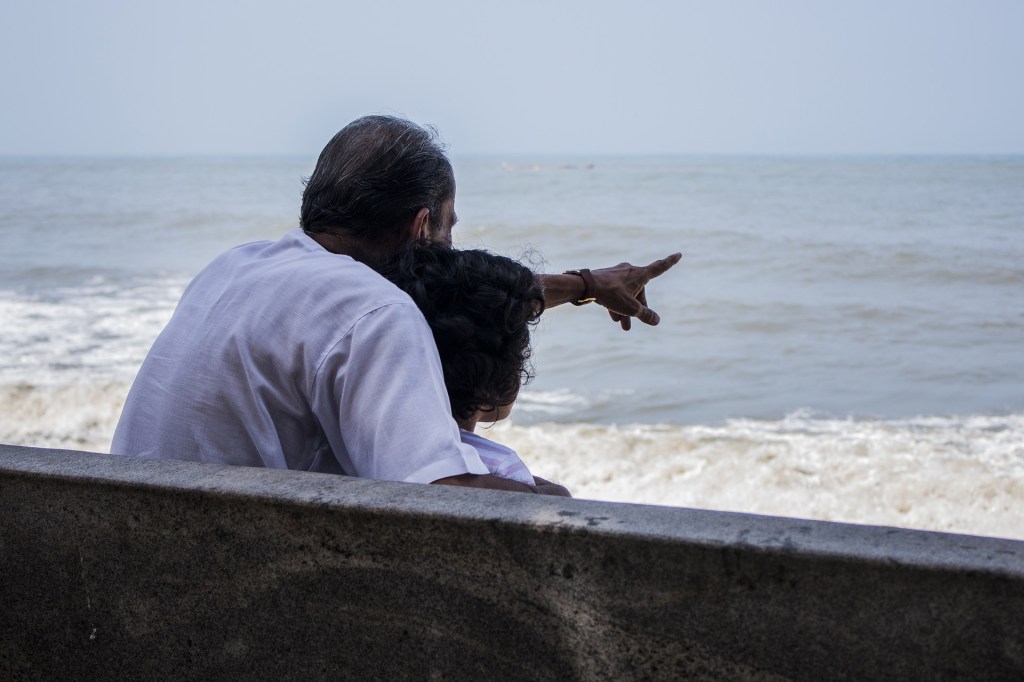
A grandfather talks to a child, teaching them and passing down stories of the past.
Most Russians choose to celebrate all women, including mothers, on International Women’s Day, March 8th of each year. In 1999, Mother’s Day became an official holiday again as it was before the Soviet Union’s collapse. It is now officially celebrated on the last Sunday in November. Despite this change, most Russians choose to honor their mothers and any other close female loved ones on International Women’s Day, gifting flowers, chocolate, cards, jewelry, and taking a break from housework.
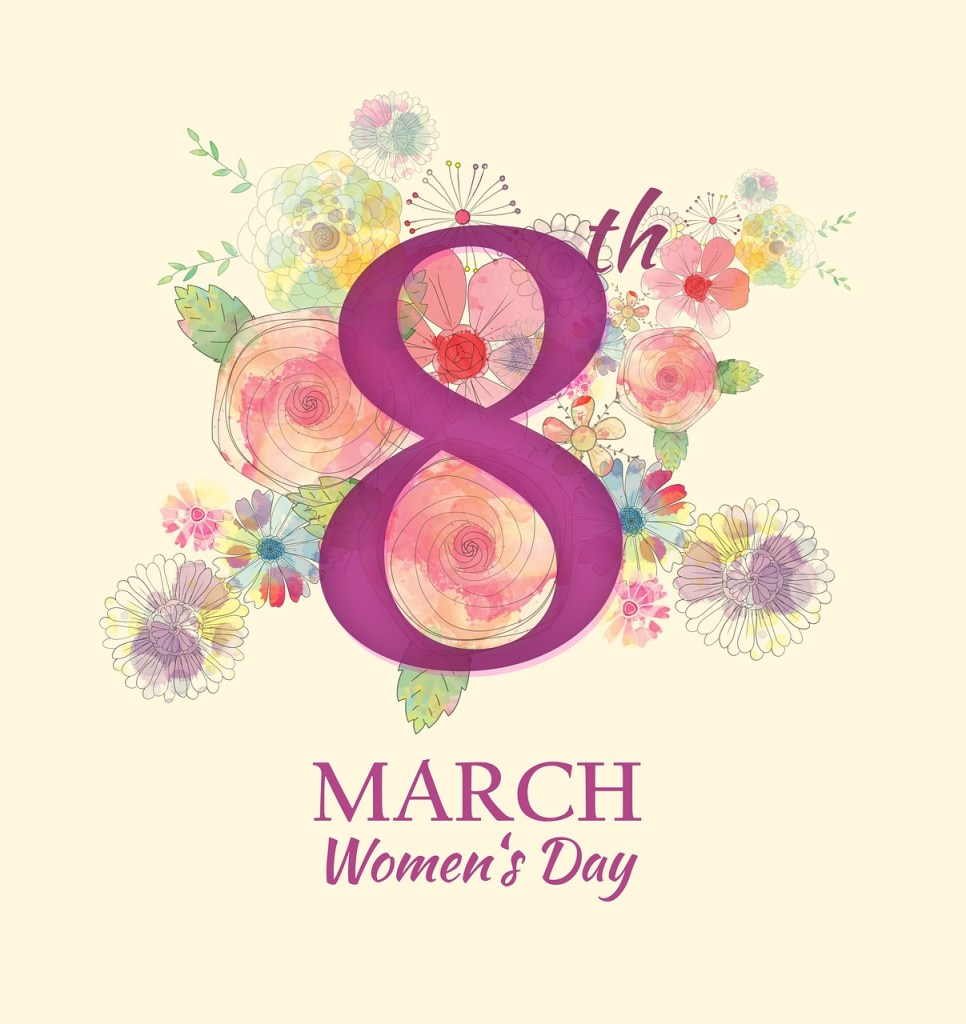
March 8th is acknowledged around the world as International Women’s Day, a day in which gender inequality and women empowerment are recognized.
Egyptians celebrate Mother’s Day on the first day of spring, March 21st. This day was chosen because the Ancient Egyptians felt that, at this time, both mothers and spring blossomed new life. The ancient Egyptian Goddess Isis (representing mothers) was honored by newly bloomed flowers being displayed on boats that were driven along the Nile river close to cities.
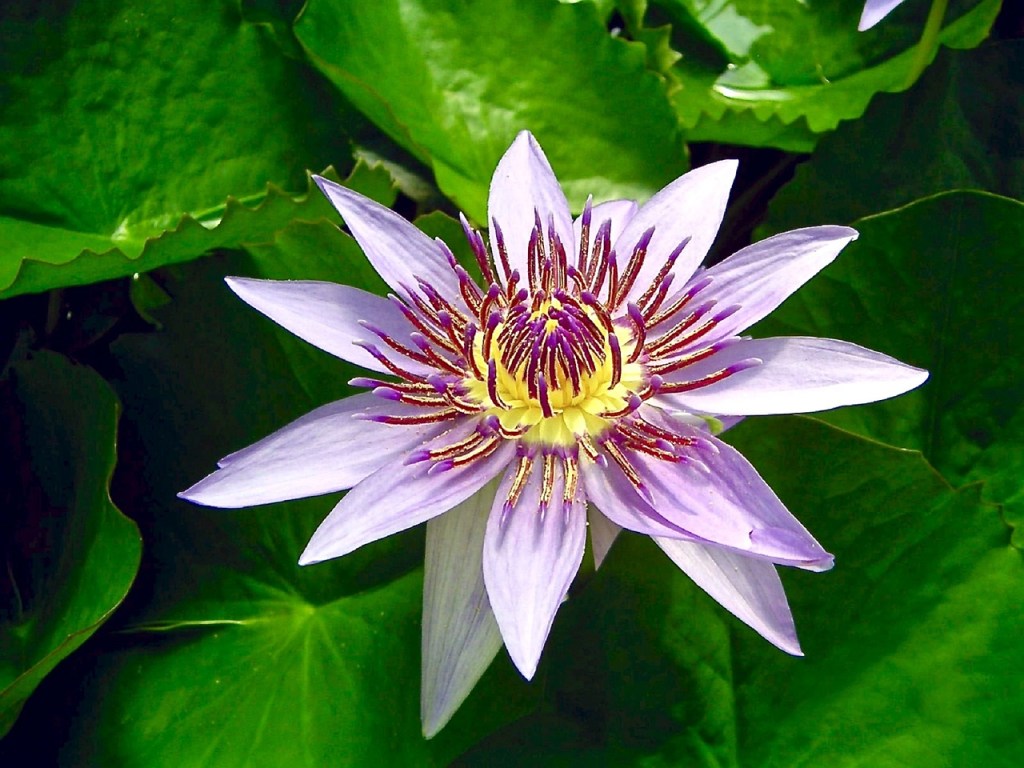
This is Blue Egyptian Lotus, one of the flowers that could have been displayed by the Ancient Egyptians in honor of Isis.
People in Thailand celebrate Mother’s Day on August 12th to celebrate Queen Sirikit’s birthday, who is currently 86 years old. She is well-known for being charitable and for easing tensions between Thailand’s Muslim minority and Buddhist majority populations. She was also the leader of the Thai Red Cross.
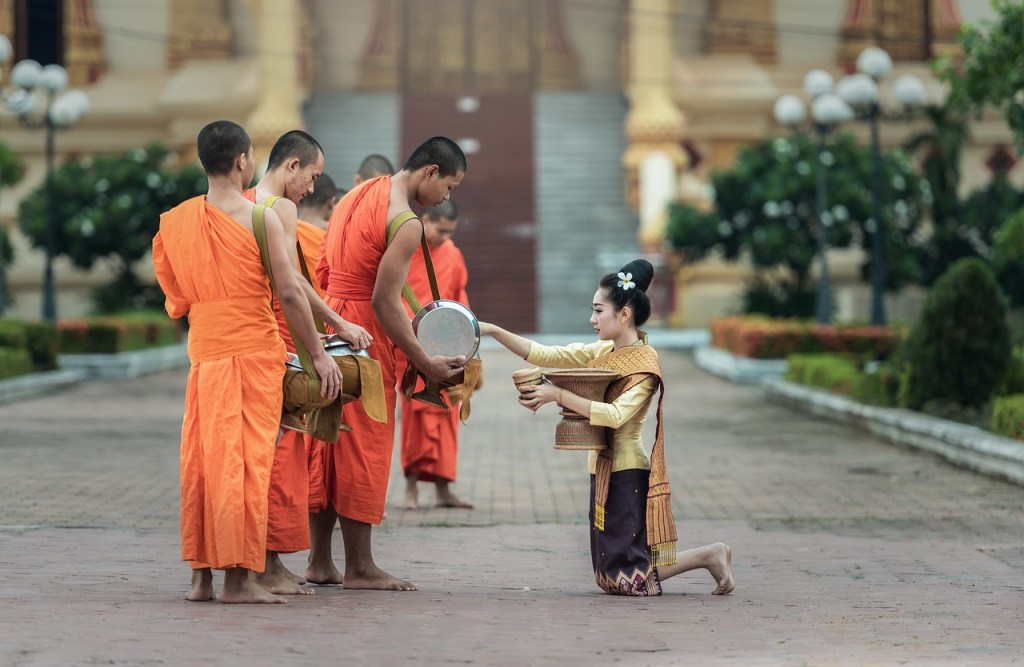
Queen Sirikit became queen in 1956, when her husband temporarily resigned his position to become a Buddhist monk.
Thais typically begin Mother’s Day by donating food to Buddhist monks. Thai children then go to school, eager to perform a Mother’s Day ceremony that they have rehearsed for weeks. During the ceremony, they kneel to their moms, honoring them for taking the time to help them grow. Thai children then give many gifts to their moms, which can include homemade cards, a meal out, and jasmine, a flower traditionally given on Mother’s Day because it represents tranquility and virtue.

Jasmine flowers also hold a divine connection as they are often used in religious ceremonies.
Australians started to celebrate Mother’s Day as a result of writer Janet Heyden’s experiences at Newington State Hospital, when she visited a friend. This hospital had mothers that were struggling as a result of having lost loved ones in World War 1. Seeing mothers like her friend at the hospital caused her to become eager to fight for their recognition, and she soon did by pleading to local businesses and schools to send gifts to them to honor them. Very quickly, this trend spread throughout Australia, the tradition evolving to not only giving gifts to the emotionally struggling mothers at hospitals like Newington State, but all mothers. Today, Australians give their mothers cards, flowers, a meal out of the house, and more to celebrate Mother’s Day.

Many of Australia’s lost sons in the first World War may have fought in trenches like the one above.
France’s celebration of mothers began after World War 1. The government wanted to recognize mothers who increased the country’s population that shrunk due to the war, so they gave medals to them. The attention to honoring mothers grew over the next few decades during the Great Depression and World War 2, and by the end of the second World War, France decided to officially honor mothers on May’s last Sunday. They officially named it the Day of Mothers. Like many other countries, French people honor their moms by giving gifts, and a popular traditional French Mother’s Day gift is a cake shaped like a flower.

Cakes traditionally given to French mothers may look like this.
Mother’s Day in Peru is a week-long celebration. It consists of Peruvians having lunches, dinners, and other outings with their mothers. Also, Peruvians honor their deceased moms by visiting their gravesites.

When visiting gravesites like the one above, Peruvians may remember the memories that they made together with their deceased mothers while spending time with the deceased by talking, eating, partying, and drinking at their graves.
In Mexico, Mother’s Day is celebrated on May 10 with a traditional lunch out. Usually, the restaurants are very full, as this is the busiest time of the year for them. In addition to a nice lunch, Mexicans also celebrate Mother’s Day with a-lot of singing, gift-giving, and mariachi bands playing traditional songs such as “Las Mananitas”.

The song name “Las Mananitas” translates to “The Morning Songs” because this song is also traditionally sung early on someone’s birthday to wake the birthday person up and put them in a positive mood.
Here is a YouTube link to the song “Las Mananitas”, sung by famous Mexican actor, film director and singer Vicente Fernandez with the lyrics, courtesy of the YouTube channel tonks k: https://www.youtube.com/watch?v=aLgCwbVFy6A
In China and Japan, Mother’s Day is celebrated on the Second Sunday of May. Their traditions are like America’s, as gifts and flowers are given to the mothers and meals are shared. Overall, while the world’s goal of honoring mothers for the work they do is the same, the act of celebrating them is not in every place in the world. Maybe these different countries’ traditions can give you new ideas as to how to surprise your mother this Mother’s Day!
 Culture Lizard